KEVINLE
REEL 2026 000
BOISE, IDAHO / STRATEGY + THE HANDS TO BUILD IT

BRAND SYSTEMS THAT sell.

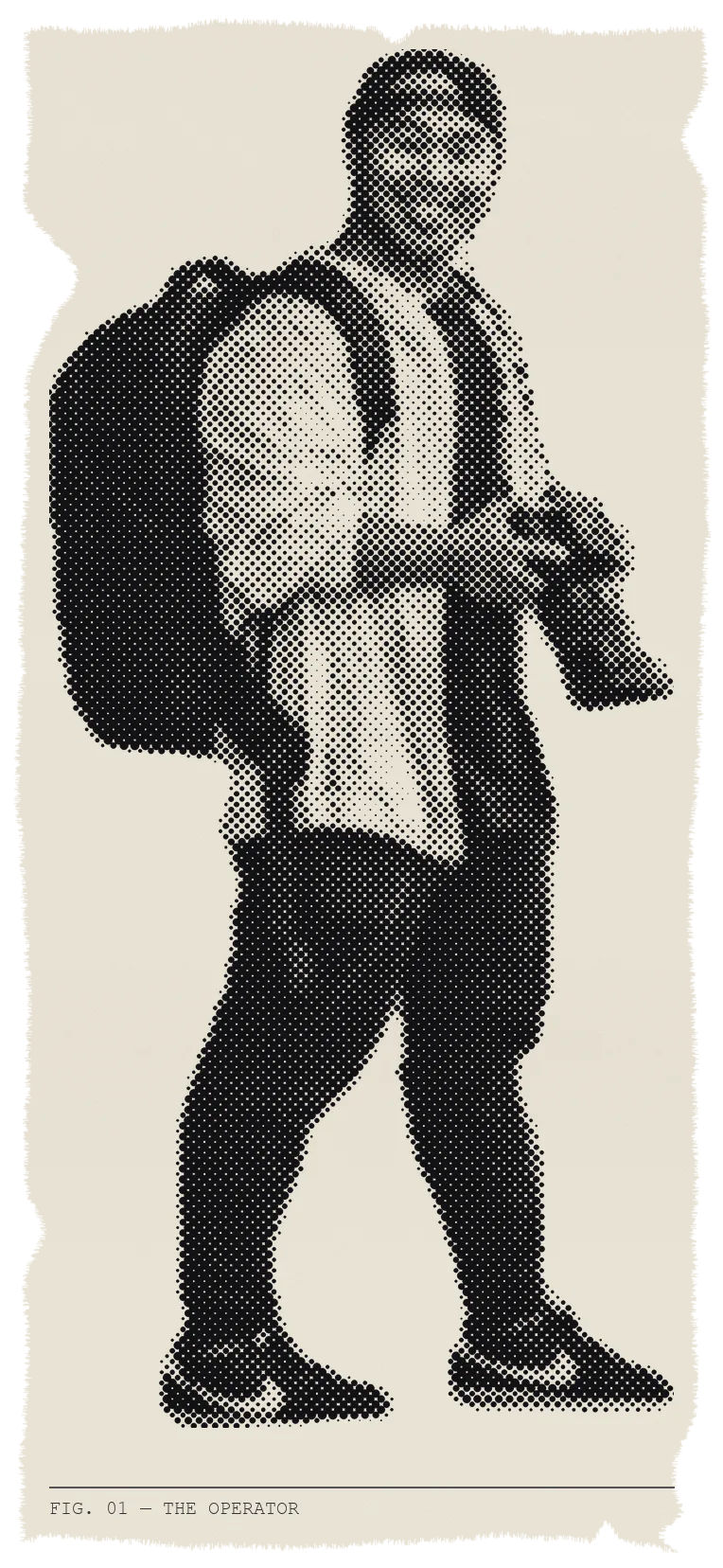
I'm Kevin Le. I build the whole machine that turns attention into customers — the content, the website, and the marketing system that connects them. Strategy first, always.

01Strategy
02Content & video
03Web & design
04Marketing systems
SCROLL TO SCRUB
01 Start where it hurts

Where do
you want
to start?

Most people arrive knowing one symptom. Pick the door that sounds like your week — they all open into the same building.

02 One building

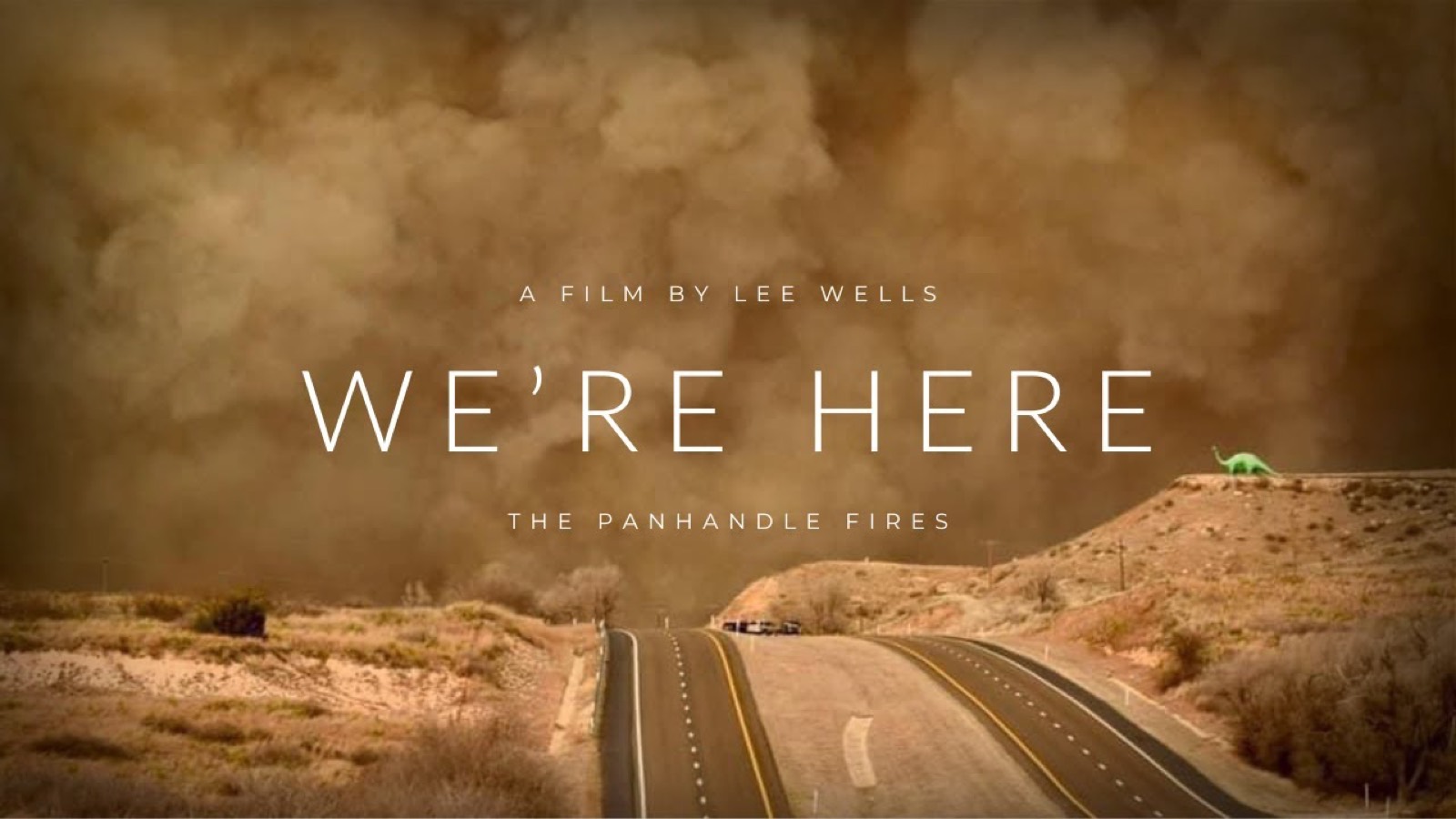
For years I pointed a camera at other people's businesses. Then I got tired of handing over a beautiful film and watching it land nowhere. So I learned the rest of it. Video, web and marketing were never three services — they're one machine, with one job: turn a stranger into a customer.

03 The system, stage by stage
STAGE 01

Strategy

Decide what you're actually selling.

Before a single frame or line of code. Who the buyer is, what they're really choosing between, what you say that nobody else can say. Every stage after this one is just execution of this decision — which is why most marketing fails here, not later.

  • Positioning
  • Offer design
  • Messaging
  • Brand identity
  • Customer journey map
STAGE 02

Attention

Make something people stop for.

This is the part I've done longest — brand films, podcasts, photography, social. But now it gets built to a spec: every piece has a job, a destination, and a next step. Pretty is table stakes. Pointed is the point.

  • Brand story films
  • Podcast production
  • Photography
  • Social content
  • Studio builds
STAGE 03

Destination

Give it somewhere worth landing.

The site, the store, the landing page. Built around the one action the business actually needs, fast enough to survive a phone on cell signal, and shaped so the content you just paid for has a place to send people.

  • Websites
  • Shopify & WooCommerce
  • Landing pages
  • Performance & SEO
  • Design systems
STAGE 04

Conversion

Turn the visit into money.

Funnels, CRM, email and SMS, automations, and the reporting that tells you which stage is leaking. This is where most of a business's lost revenue is sitting, and it's the least glamorous work I do. It's also the part that pays for the rest.

  • Funnels
  • CRM & pipelines
  • Email & SMS
  • AI & n8n automation
  • Dashboards
04 Stage 01, productised

Project:
Kingmaker.

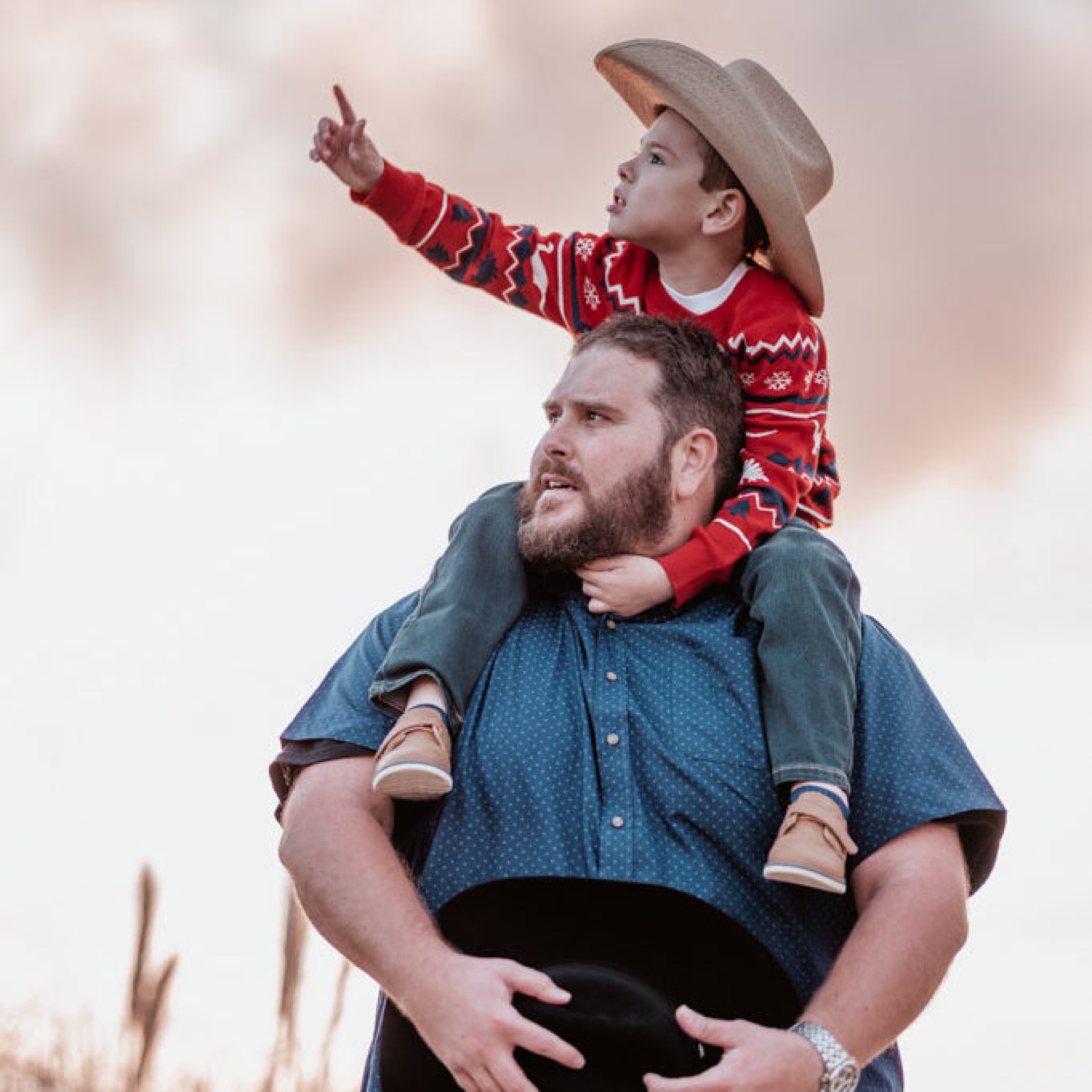
Strategy is the stage every other stage depends on — so I gave it its own name and its own front door. Project: Kingmaker is the brand and content system: archetype-driven positioning, a message you can repeat, and a content engine that doesn't rely on you remembering to post.

A rebel's method and a sage's system — reject the noise, then prove the result. If your problem is stage 01, and nobody can explain who you are or why you're different, that's where to start.

See Project: Kingmaker Brand psychology · Archetypes · Content systems
  • 01Your content looks different every month
  • 02You're talking to everyone, so nobody converts
  • 03You post randomly and hope something sticks
  • 04Distribution dies the week you get busy
  • 05Hot leads one week, silence the next
05 Why this keeps failing

A plan nobody
can run.

The two normal options each solve half the problem. Most businesses buy one, blame it for the other half, and start over next year.

Option A

A fractional CMO

Senior direction, quarterly plans, vendor oversight. Genuinely valuable — until the problem turns out to be execution. Then you've bought a strategy nobody has the hands to build.

Direction, no hands
Option B

An agency

Output, on a schedule. Videos get made, pages get shipped. But nobody owns whether any of it connects — and the account manager between you and the work has never met your customer.

Hands, no direction
Option C

Me

I set the strategy and then go build it — the film, the site, the funnel, the automation. One person from the positioning decision to the thing that's live on Friday. Nothing gets lost between the plan and the work, because there's no handoff.

Direction and hands
06 The obvious question

How does
one person
do all that?

01

I own the whole stack

No account manager, no handoff between the video team and the web team and the ads team. The person who decided the strategy is the person editing the film and writing the automation. Nothing gets lost in translation because there's no translation.

02

AI does the grunt work

Transcripts, rough cuts, data cleanup, boilerplate, first drafts, migrations. I've built my own pipelines for the repetitive 70% so my hours go to the 30% that needs judgment — the strategy, the story, and the taste calls. It's why the timeline looks unreasonable and the invoice doesn't.

03

I build my own tools

When the software I need doesn't exist, I write it. Speaker Cut started as a script to save myself a day a week and turned into a product other editors pay for. That habit is why "can you build that?" is usually a yes.

One operatorAgency scopeNo agency overheadAI-leveraged delivery
08 Everything else

The index.

The rail above is the highlight reel. This is the rest of it — films, podcasts, shoots, sites and one shipped product.

09 The room I'm in now

Big
Shot.

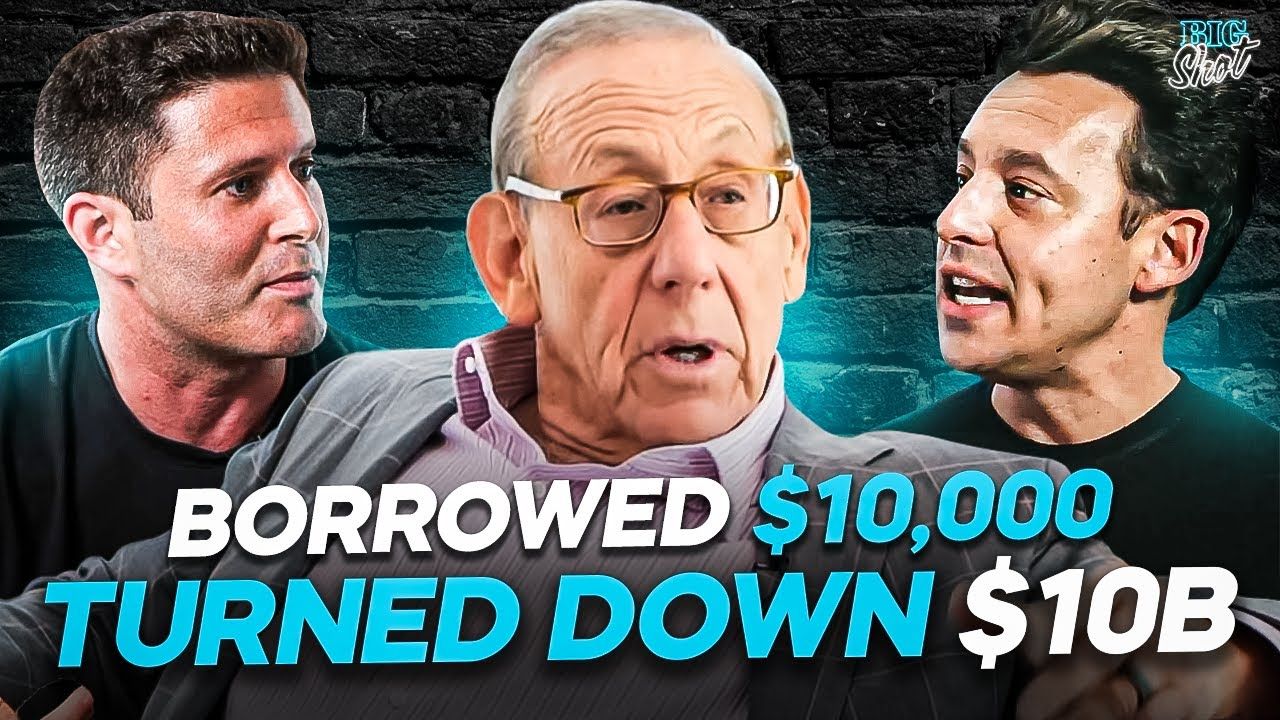
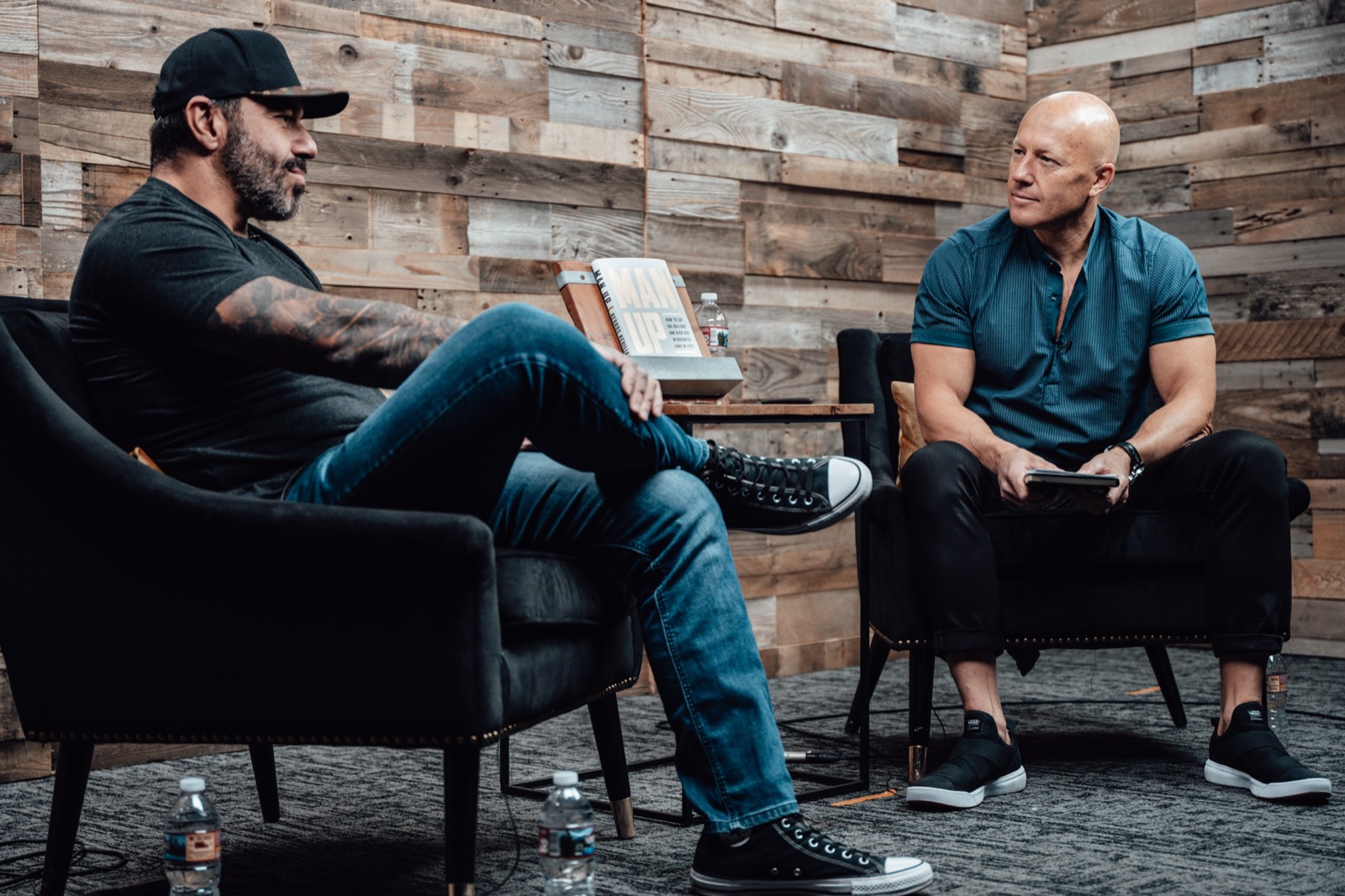
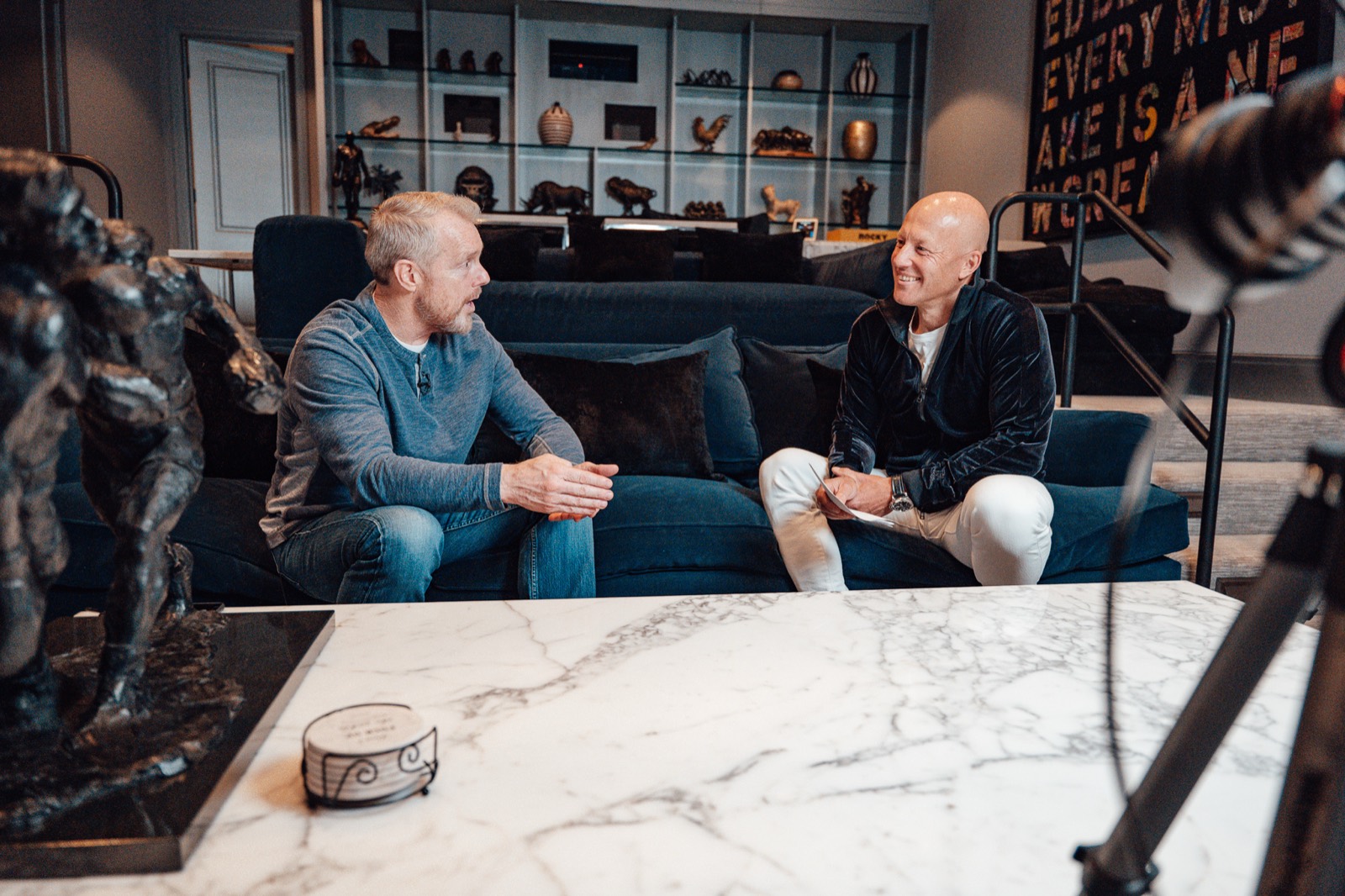
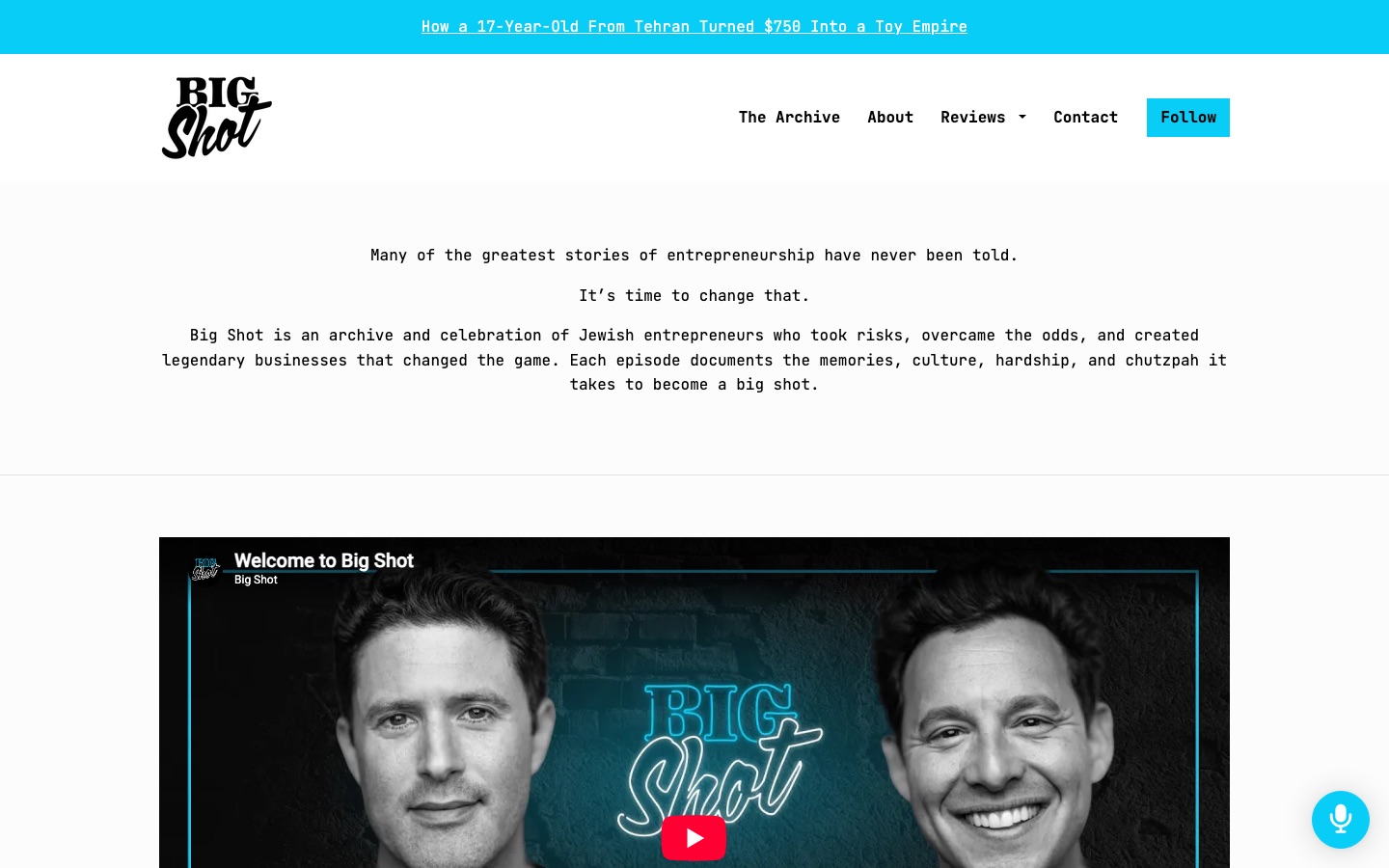
For the last two years I've shot and cut Big Shot — the podcast hosted by Harley Finkelstein (President, Shopify) and David Segal (co-founder, DAVIDsTEA). I'm the camera and the edit, and I built the studio and the post workflow the whole thing runs on.

Barry Diller. Jeffrey Katzenberg. Michael Ovitz. Lloyd Blankfein. Mike Milken. In rooms like that you get one take, the production has to disappear, and nothing is allowed to break. It's the clearest proof I have of the two things I claim above — that I build the system, and that I'm the one operating it.

Listen to Big Shot Camera · Post · Studio & workflow build
Big Shot podcast, hosted by Harley Finkelstein and David Segal ON AIR
Selected guests
Barry DillerJeffrey KatzenbergMichael OvitzLloyd BlankfeinMike Milken
David RubensteinMickey DrexlerBobby KotickStephen RossLarry SilversteinLeon Cooperman
Lynda ResnickBobbi BrownRon ShaichUri LevineMindy GrossmanHeather ReismanIssy SharpIsaac LarianIrwin Winkler
Before that

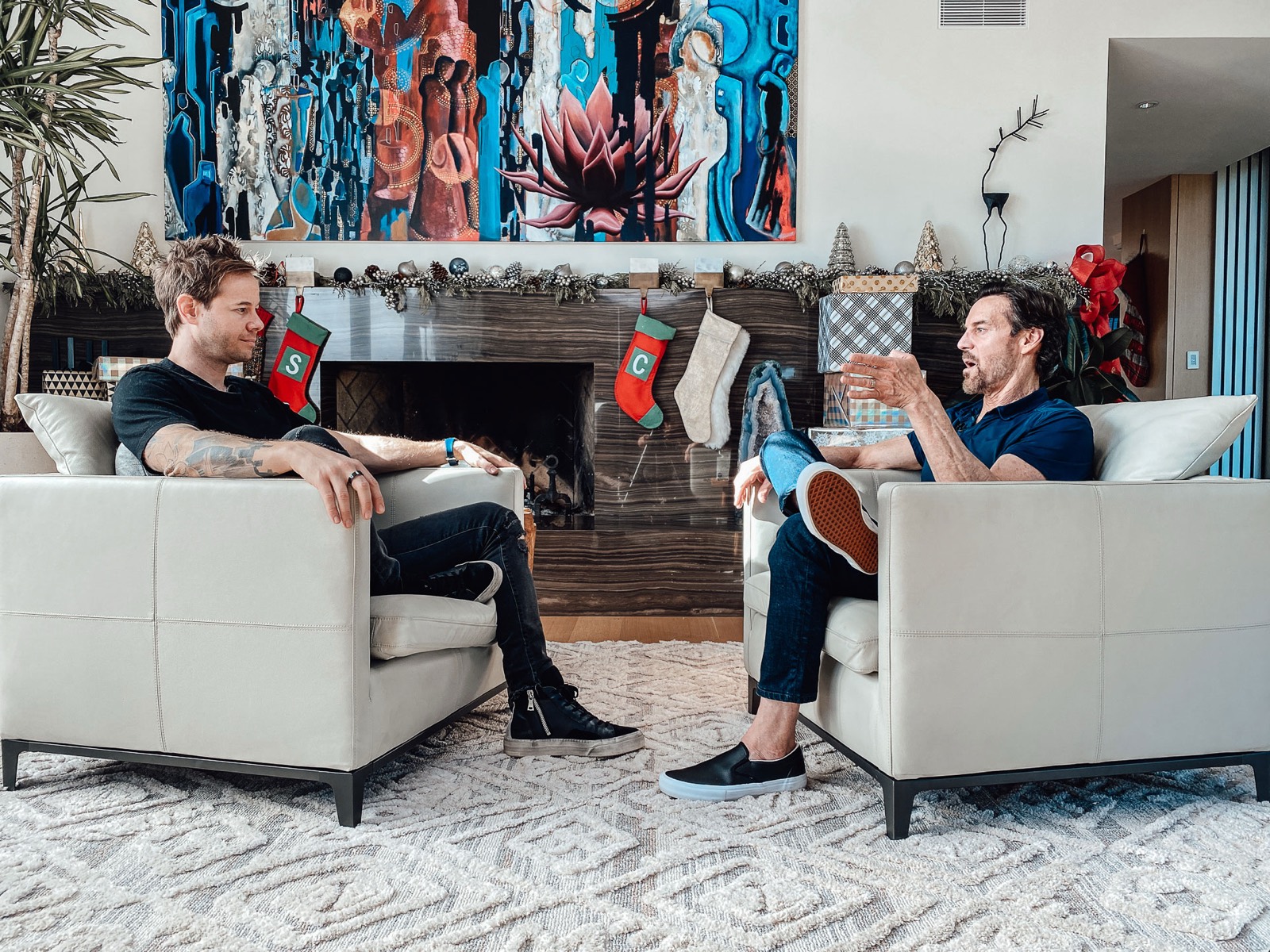
Alex Hormozi · Tony Horton · Bedros Keuilian · Gunnar Peterson · Nicole Arbour · Don Saladino · Craig Clemens.

10 Brands I've worked with

Receipts.

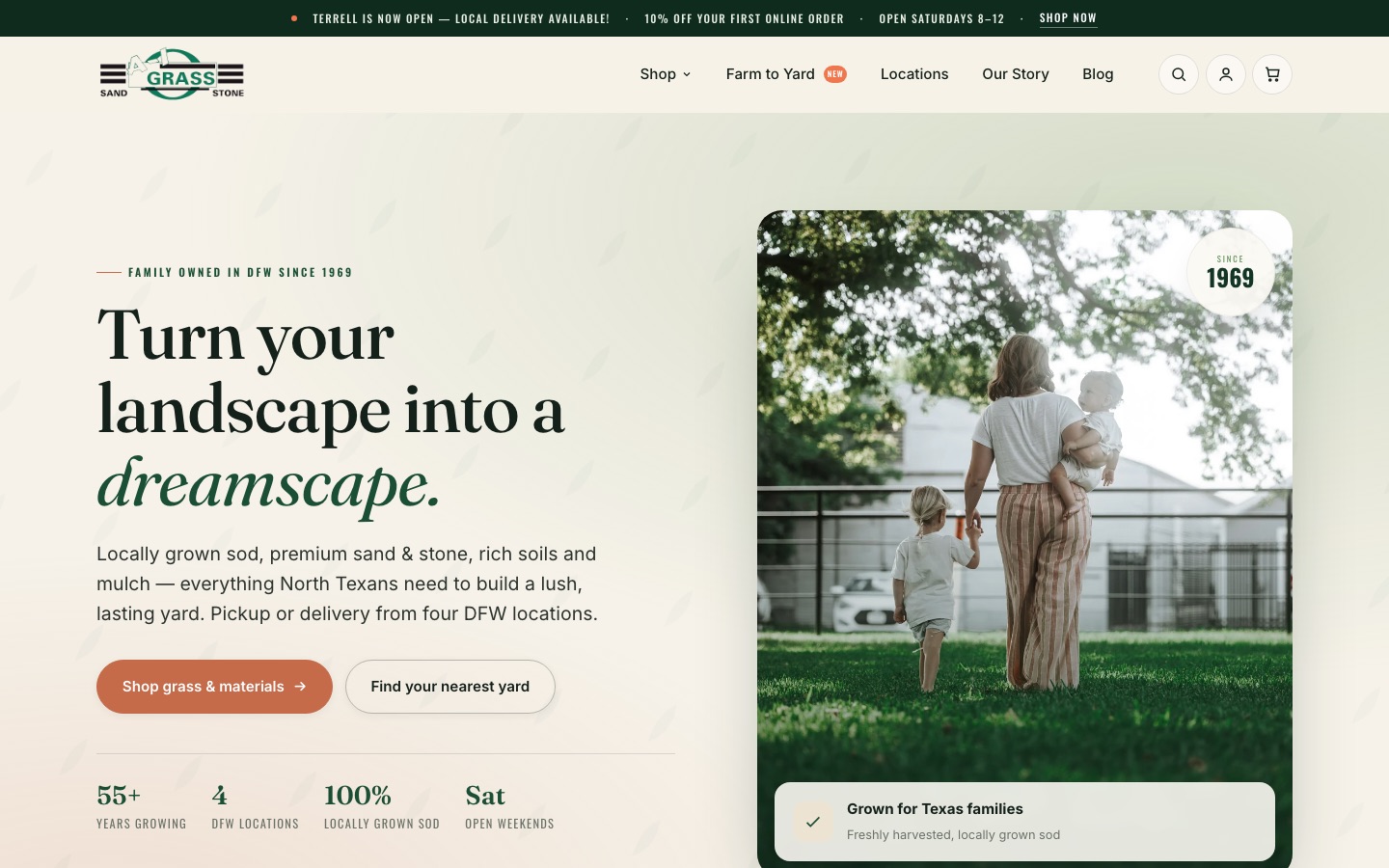
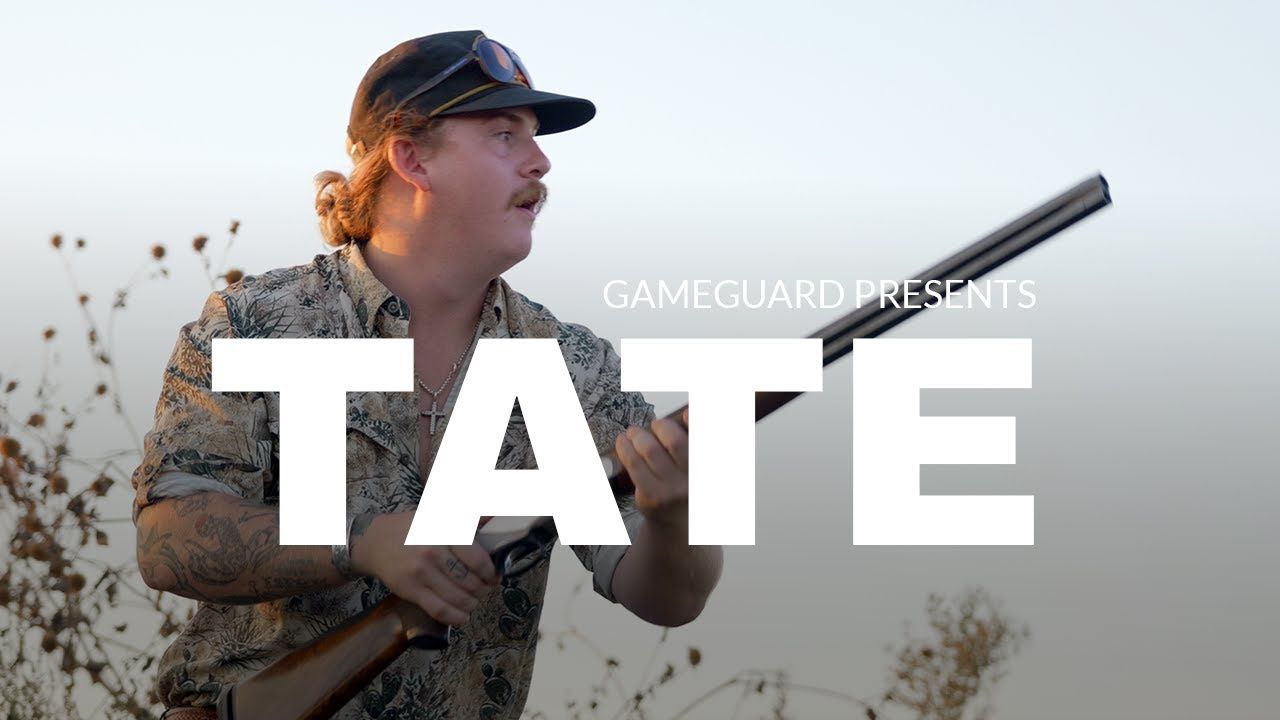
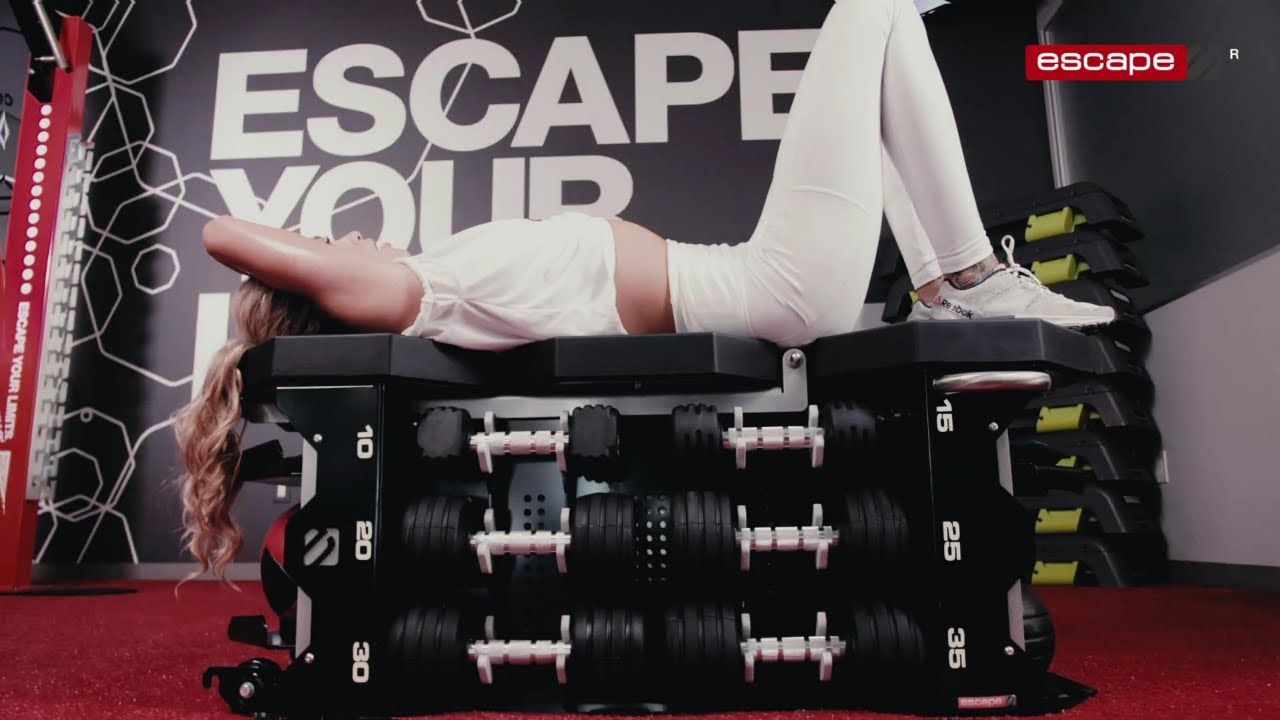
Tommy Mello The Wolf of All Streets Big Shot The Anime Effect Killara Escape Your Limits Plungie Skydeo Zaptiva Highbeam CFOTech A1 Grass Rhino Roofers Lemongrass Farms Alvies Calvary Chapel Star
11 How it actually goes

No discovery
theatre.

01

We sit down and you tell me the truth

Not the pitch-deck version. What's actually broken, what you've already tried, and what number has to move for this to have been worth it. If I can't name that number, I'll tell you so instead of selling you a retainer.

02

I draw the map before I build anything

One page. Where attention comes from, what it touches, where it converts, and what happens automatically after. You approve the map before I build anything — because if the strategy is wrong, a beautiful film just makes you wrong faster.

03

Build the spine, then the surface

Destination and conversion first, because a film with nowhere to land is an expensive mood board. Then we shoot — and every piece of content is built to feed a system that already works.

04

Ship it, then keep tuning

Launch is the midpoint, not the finish line. I stay on the dashboard, find the stage that's leaking, cut what's dead and double what's working. Monthly, in plain English.

12 Something I own

Speaker
Cut.

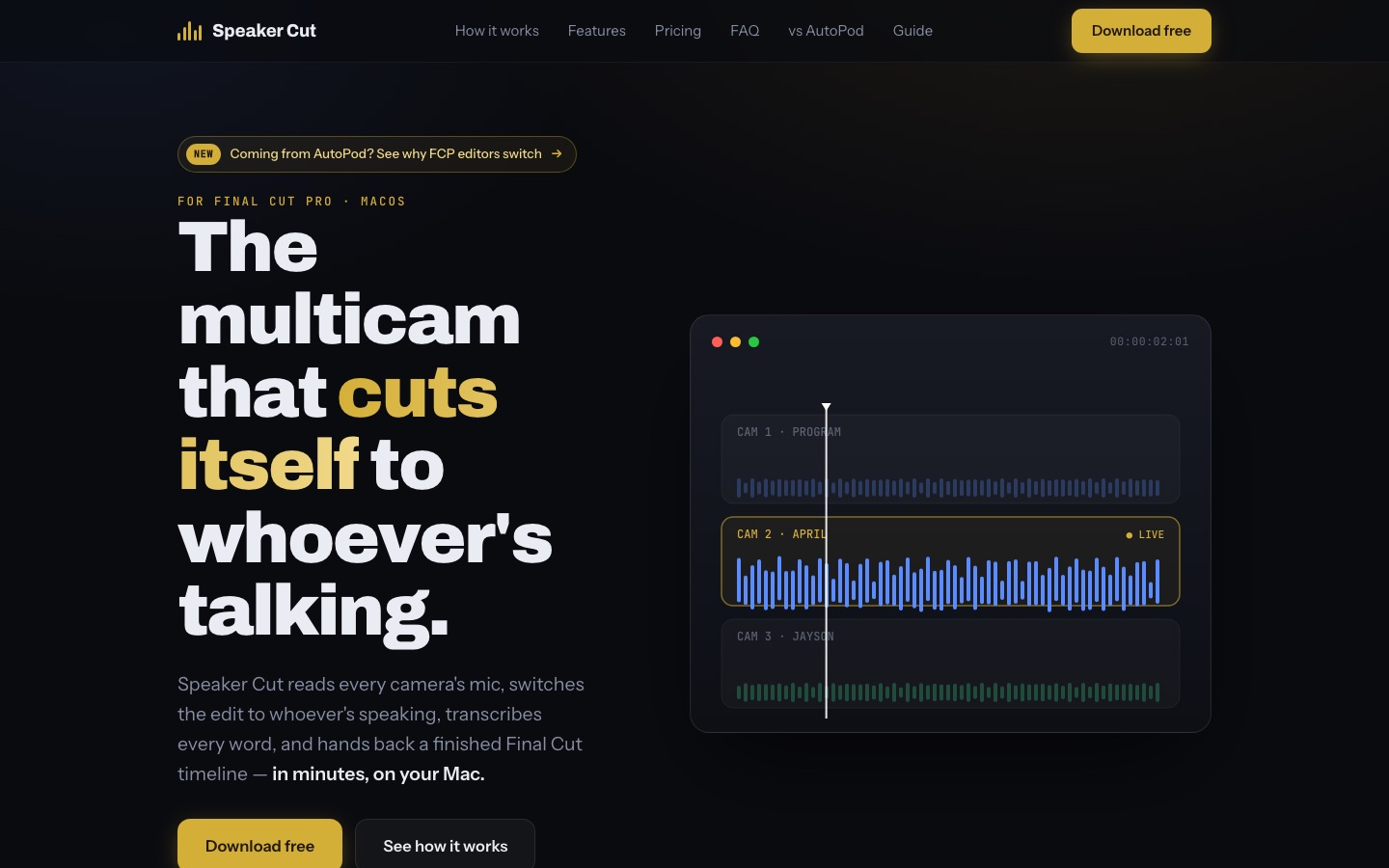
A macOS app for Final Cut Pro editors. It reads every camera's mic, decides who's talking, and hands back a finished multicam timeline — a job that used to eat a full day of my week.

I built it because I needed it. Then other editors needed it too. Design, code, licensing, billing, docs and support — all of it mine.

See Speaker Cut macOS · Final Cut Pro · Supabase · Stripe
00:00:04:12
13 Journal

Notes from
the build.